
Previous Wave Makers of the Year
WAN celebrates a Wavemaker of the Year to honor the growing accomplishments of people in the water sector, to expose the WAN community to strong leaders in the marine, coastal, and aquatic spheres, and to learn from their career and personal journey.
As of 2023, WAN also welcomed nominations for organizations as well!
Note that candidates can be located outside of the D.C. region as long as they are within the U.S.
WAVE MAKER OF THE YEAR:
2024:
Jacques Oliver
Senior Regulatory Scientist, US Environmental Protection Agency, Office of Water
2023:
Imani Black
Founder & CEO, Minorities in Aquaculture
2022:
Helen A. Brohl
Former Executive Director, US Committee on the Marine Transportation System
2021:
Dr. Dawn Wright
Chief Scientist, ERSI
2020:
Dr. Ayana Elizabeth Johnson
Co-Founder, Urban Ocean Lab
2019:
Dr. Rita Colwell
Distinguished University Professor, University of Maryland at College Park and John Hopkins
President & Chairman, CosmosID, Inc.
2018:
Dr. Nancy Knowlton
Former Sant Chair for Marine Science, Smithsonian’s National Museum of Natural History
2017:
Dr. Marcia McNutt
President, National Academy of Sciences
2016:
Christy Goldfuss
Chief Policy Impact Officer, NRDC
2015:
Dr. Kathy Sullivan
Former NOAA Administrator & NASA Astronaut
Land & Territorial Acknowledgement
The Women’s Aquatic Network acknowledges, with respect, that the land we are on today is the traditional and ancestral homelands of the Anacostans (also documented as Nacotchtank), and the neighboring Piscataway and Pamunkey peoples.

WAN’s Land Acknowledgement
The lands of Washington, DC that the Women’s Aquatic Network occupies have been cared for by First Nations People since as early as 9,500 BCE. First Nations People crossed the Allegheny Mountains and settled in the Potomac River valley due to the abundance of fish in the Potomac and Anacostia Rivers as well as wildlife in the surrounding woodlands. The land of present-day Montgomery County and Washington, D.C. is most closely associated with the Nacotchtank Tribe who lived on the Maryland side of the Potomac River.
Deriving their characteristic name from an Algonquian term meaning “town of traders,” the Nacotchtank tribe used their proximity to the rivers to trade with other First Peoples near and far, including as far north as trading with the Iroquois of New York.
The Nacotchtank Tribe was part of a larger, loose confederation of tribes known as the Piscataway Chiefdom. The Nacotchtank people paid tribute to the Piscataway Chief or “Tayac,” and this association provided the Nacotchtank and surrounding tribes protection from the rival Powhatan Chiefdom in Eastern Virginia.
In 1608, English colonists set off from Jamestown to explore the regions along the Potomac River, bringing them in contact with the Nacotchtank People. While initial interactions were peaceful, tensions eventually increased, and due to increased land demand for cash crop farming, Europeans began to encroach on Nacotchtank tribal lands. This proximity introduced foreign diseases into tribal communities to which the Nacotchtank people had no immunity. Decreasing numbers forced the remaining tribal members to retreat to Anacostine Island (known today as Theodore Roosevelt Island). Eventually, tribal members sought the protection of the Piscataway Chiefdom. The remaining members of the Nacotchtank people were absorbed into the larger Piscataway Tribe.
Today, the Piscataway Tribe is active in the state of Maryland. There are two major groups that have formed to represent the Piscataway Tribe: the Piscataway Indian Nation and Tayac Territory, and the Piscataway Conoy Tribe (further subdivided into Piscataway Conoy Confederacy and Sub-Tribes and Cedarville Band of Piscataway Indians). On January 9, 2012, both the Piscataway Conoy Tribe and the Piscataway Tribe were recognized by the State of Maryland via executive order.
The Women’s Aquatic Network acknowledges that the land on which we host our events was, and is, still inhabited and cared for by the Piscataway Conoy and Piscataway tribes. We are grateful for their past and continued stewardship of this land. The Piscataway and Piscataway Conoy tribes, especially their children, have powerful voices that have often been silenced throughout history.
The influences of the Piscataway Chiefdom are felt today. The Anacostia River takes its name from the latinized name of the Nacotchtank people (mispronounced as “anacostine” by Jesuits from the Providence of Maryland). River Road and Wisconsin Avenue were created from trails woven into the land by First Nations People. Please connect with and learn more about the tribes and their current goals via their websites Piscataway Conoy Tribe and Cedarville Band Of Piscataway Indians.
What is the land acknowledgment or territorial statement?
An Indigenous Land Acknowledgement or Territorial Acknowledgement is a formal statement that recognizes and respects Indigenous Peoples and current-day Indigenous institutions of a place. These statements often recognize people who have been dispossessed from homelands and territories. They do not exist in a past tense or historical context. Acknowledgments should be a verbal statement given at the beginning of a program or event or visually presented such as on an institution’s website. They should be specific and local.
These acknowledgments are important for many reasons particularly because of the systematic and forceful displacement and genocide of Indigenous peoples as well as the intentional and ongoing erasure of many voices and truths. The practice of Indigenous Land Acknowledgements in recent years both in the United States and Canada has grown significantly. There are many resources available to help create appropriate language, celebrate Indigenous communities in a present and meaningful way, and go beyond “optical allyship”.
Intent vs Impact
It is important to note that a Land Acknowledgment is just a starting point in supporting Indigenous communities. It is important to dedicate time, perform research and consider several questions when preparing an in-depth acknowledgment. It’s also important to think about your intentions and actions beyond just your words. Resources below contain additional ways to avoid trends and empty words and focus on strategies that center and support Indigenous communities.
EDUCATION & Resources:
The above information was comprised from the guidance of many sources highlighted below. I encourage readers to explore these resources, share additional resources, and contribute as a conversation in the comment section below.
Guide To Indigenous Land And Territorial Acknowledgments For Cultural Institutions can help guide you through drafting a general land acknowledgment statement
A guide to Indigenous land acknowledgment, Native Governance Center, https://nativegov.org/a-guide-to-indigenous-land-acknowledgment/
If you aren’t sure which community or communities to acknowledge, please use this searchable map, https:Native-Land.ca, as a great initial resource
Eve Tuck and K. Wayne Yang's article, "Decolonization is Not a Metaphor" can help to contextualize this practice within a larger decolonization framework
If you would like to do a more intentional acknowledgment, try setting your intentions with the land before beginning your scientific work.
Finally, to encourage a shift from empty words to action to move Beyond Land Acknowledgements, use the Native Governance Center's new article series focused on strategies to move beyond land acknowledgment statements.
Furthermore, if you are reading this and wish to be in Right Relations with the Piscataway Peoples, RETURN THE LAND and pay land tax in true acknowledgment of you living on their bodies as a colonizer. Here are a few key links:
Official linktree: https://linktr.ee/paylandtax
Official website: https://www.piscatawayindians.com/ (link also included in linktree)
Official Instagram: https://www.instagram.com/wearedcsfirst/ (link also included in linktree)
WAN Resource (coming soon)
We invite you to post this flyer in your workspace (virtual and in-person) to help spread awareness and reflection on WAN’s place in relation to the land its situated on. You can download, print, and post the images below:
Back to the Future to celebrate our 35th: A Woman, a Vision, a Network

For our new members or those less familiar with the Women’s Aquatic Network (WAN), the following article dives into the history of WAN and the growing engagement of women in marine and coastal affairs. This article was one of a series of six by WAN members originally published in the December 2018 SEVENSEAS Magazine. This issue was a team effort between WAN and SEVENSEAS to highlight women working in aquatic fields worldwide, featuring stories about what inspired them, how they built their careers, what they were working on, and what they learned through the years. In short, the positive legacy women have left in this sector. The article is informative and inspiring and can’t help but fuel your creative thinking.
Meet Katy Lackey, author of the article. Katy served on the WAN Executive Board from 2015-2019. At the time, Katy was a Research Manager for The Water Research Foundation where she worked with water and wastewater utilities to improve climate resilience and integrated water management. Her research portfolio covered topics such as One Water, cross-sector collaboration, extreme events, green infrastructure, decentralized water systems, and sustainable energy management in the water sector.
A Woman, a Vision, a Network: The Rise of WAN in Washington and the Importance of Women in Marine and Coastal Affairs
Washington, D.C. in the 1980s
To say 1984 in Washington, D.C. was a strange time is an understatement. The city was dynamic, with a vibrant punk rock scene and the emergence of hip-hop. Ronald Reagan was three years into office, having recently survived an attempted assassination that shook the nation. Many neighborhoods were devastated by the yet-to-be-identified HIV/AIDS epidemic.
It was also a time when women held just 5% of seats in Congress, and although comprising nearly 44% of the workforce, were paid, on average, less than 65% of men holding equivalent positions. D.C. was still very much a “boy’s club.” The Cosmos Club only had one woman member (the actress Helen Hayes), 1 with professional societies, networking opportunities, and mentorships evolving more comfortably between men for the benefit of men’s careers. Yet women gained significant ground, with Sandra Day O’Connor as the first woman appointed to the Supreme Court, Geraldine Ferraro as the first woman to run for Vice President on a major party ticket, and the formation of the National Black Women’s Political Caucus. Dr. Kathy Sullivan (later the NOAA Administrator) became the first American woman to walk in space. “Risks taken by women, barriers broken, victories savored, political defeats suffered, were never more visible than in 1984,” some said (Dullea, 1984).
The John A. Knauss Marine Policy Fellowship Program had been running for five years, providing an incredible opportunity for men and women to apply respective expertise in marine and coastal affairs to policymaking on Capitol Hill and within the government. This valuable program contributed to the ranks of women impacting the ocean and Great Lakes-related policy in Washington, yet men still dominated political and career positions of leadership on the Hill and in the agencies. The term “glass ceiling” came into vogue to describe the real challenges women faced in moving beyond mid-level careers.
The Birth of a Women’s Network
Three women from the 1983 Sea Grant program became friends and often discussed the “glass ceiling,” particularly within the ocean and Great Lakes-related fields. Over wine and cheese in 1984, they proposed gathering like-minded women together to discuss career development.
“The term ‘networking’ was a new reference to the way in which professionals bolstered each other’s careers. We clearly understood that it was a modern way to describe a practice that men had engaged for millennia through men’s only clubs and activities. We wanted the same advantages and recognized that it was as simple as providing opportunities to gather together to develop our own network,” notes Helen Brohl, WAN co-founder, and current Advisory Board member.
While not yet a formal organization, the small group of women began organizing information evenings and career-development discussions on the Hill. It didn’t take long for interest to grow among women professionals, leading to the establishment of the Women’s Aquatic Network (WAN) in 1985. Like many women in this era, they rose up and said yes, we need this, too. If networking and professional development opportunities were not going to come to them, they would bring it to one another.
WAN brought “together women with interest in marine and aquatic affairs for the purpose of:
Promoting the role of women in marine and aquatic affairs;
Providing a forum for the discussion of topical issues in marine and aquatic affairs;
Facilitating the interaction of women with interests in marine and aquatic affairs in an atmosphere that encourages information exchange; and
Identifying individuals, groups, organizations, programs and/or employment opportunities that could benefit the professional in her field(s) or interest and expertise in related area” (WAN Charter, 1985).
It was simple. It was bold. It was exactly what women in Washington needed.
Membership was open to women and men, to all who “support the objectives of the network” (WAN Charter, 1985). The group held bi-monthly meetings and organized events open to the public.
Events centered around networking and opportunities, speakers, and professional development. “Some events were standing room only crowds, recalls Lynne Mersfelder-Lewis, an early WAN member and current Advisory Board member, “such as when Senator Al Gore spoke to WAN.” The group also hosted events with the head of the Peace Corps and at the old Executive Office with the White House’s Office of Science and Technology Policy (OSTP).
The Importance of Women in Marine Conservation and Aquatic Science
The founders of WAN did not count the ways in which women enhance the marine and coastal fields. However, the goals of WAN then, as now, support women as a valuable resource for these sectors.
In fact, studies (Gissi et al, 2018) show that women:
Eliminate barriers to women participating in decision-making processes;
Promote sustainable solutions for ocean and Great Lakes governance;
Bring varied perspectives and social-cultural experiences to ocean policy;
Balance development and conservation;
Are more likely than men to change behaviors to reduce resource consumption;
Lead the majority of efforts on marine litter and debris programs;
Support and encourage sustainable practices at the community-level;
Have significant roles in traditional artisanal and commercial fisherfolk societies; and
Produce more sustainable catches and policies at small-scale fisheries.
While there are many reasons why women are important for marine and coastal affairs, smart, inclusive, holistic, and collaborative approaches rise to the top. As the global marine and aquatic sectors push to “conserve and sustainably use the oceans, seas, and marine resources” (SDG #14), neither can—nor should we—ignore these factors. Restoring and protecting our oceans is ultimately dependent on men and women working together.
“If WAN emboldened the many brilliant and capable women in Washington, D.C. and elsewhere to move more boldly and value their worth within the field, one need look no further than the strides made over the last thirty years in positions of policy and organization leadership,” states Brohl.
We have come a long way. The 2018 midterm elections brought an incredible wave of female leaders to the Hill; conversations are buzzing in Washington on these leaders’ backgrounds and the potential support for key ocean policies. Today, women make up nearly 20% of Congress and hold about 20% of 3 seats in the Senate, with slightly higher representation throughout state governments.
But we still have a long way to go. Men still outnumber women at least 3 to 1, and as high as 6 to 1 in paid positions in physical science, oceanography, biology, conservation science, and engineering. While the national average now reflects women are paid about 80% of what men are (and 86% in the District), it is estimated that we will not fully close the gender pay gap until 2152. We are over a century away from true equality!
These numbers have yet to stop women. Women continue to gain ground and shift the sector. Gender diversity in ocean research is 10% higher than other research fields (UNESCO-IOC, 2017). In fact, the marine conservation, ocean science, and coastal sectors are teeming with women scientists, advocates, and political officials.
WAN THEN AND NOW
In 1984, a small group of women set out to change their careers and give one another the support and network needed to get by in Washington. Little did they know that 35 years later, that group would not only live on, but pulse through the DMV (D.C., Maryland, VA) as a thriving network, changing generations of women and the impact they have in the marine/conservation sectors. The three women who founded WAN—Susan Wade, Becky Rootes, and Helen Brohl—went on to have high-level careers in marine and coastal policy. Helen Brohl and Lynne Mersfelder-Lewis (another early WAN member) are still active in the network, sitting on the Advisory Board and providing guidance and mentorship to younger Executive Board members.
Today, the Women’s Aquatic Network (www.womensaquatic.org) is a community of over 1,000 professionals in the marine, ocean, and aquatic sectors. While still primarily led by women, membership and leadership roles are open to both women and men. WAN holds around 10-15 events a year, including signature events such as Speed Mentoring, Salary Negotiation, Networking Panels at Capitol Hill Ocean Week (CHOW), and an annual Holiday Party honoring the WAN Woman of the Year. WAN is working to meet the needs of a growing and diverse membership, including connections with the freshwater and water utility sectors, as well as professionals who are mid-career or working mothers.
Most importantly, WAN maintains the collaborative, supportive spirit it began with. About ten early to mid-career level professionals serve on the Executive Board each year. There is no president nor lead. Although the Executive Board functions through several sub-committees focused on different organization operations, there are no titles or specific roles for Board members. A more senior level Advisory Board, including some of WAN’s founding members, provide additional support ideas, and connections. The group shares responsibilities, doing what women have done throughout history: stepping up to lead, stepping in for one another when things are busy, and standing together for a more just world.
The members of WAN continue to fight for our oceans and a sustainable future that includes us all.
References
Charter, Women’s Network – Aquatic and Marine Affairs. 1985. The Women’s Aquatic Network (WAN): Washington, DC.
Dullea, Georgia. “Women in 1984: Steps Forward and Back.” New York Times. New York, NY. December 31, 1984.
Gissi, E.; Portman, M.E.; and A.K. Hornidge. 2018. Un-gendering the ocean: Why women matter in ocean governance for sustainability. Marine Policy 94, 215-219.
Ignotofsky, Rachel. 2016. Women in Science: 50 Fearless Pioneers Who Changed the World. Berkeley, CA: Ten Speed Press.
McDermott, Amy. 2018. Want to Protect the Oceans? Empower Women. Oceana Blog: https://oceana.org/blog/want-protect-oceans-empower-women.
UNESCO-IOC, 2017. Global Ocean Science Report. Paris: UNESCO IOC. Available: https://en.unesco.org/gosr.
Women4Oceans. Company Website: https://women4oceans.weebly.com/ocean-women.html.
WAN Reflections: A Conversation with Monika Thiele, former Executive Board President 2008-2010
As a celebration of WAN’s 35th year anniversary, we are pleased to bring you this interview with Monika Thiele, who served as President of the WAN Executive Board when WAN celebrated its 25th anniversary. Monika currently works as an International Policy Specialist for the U.S. Fish and Wildlife Service, working to implement the United Nations Convention on the International Trade in Endangered Species of Wild Fauna and Flora (CITES), with a focus on marine species.
WAN EB: Monika, thank you so much for sitting down with us to share your story! You were an officer of the WAN Executive Board for 5 years, and served as President for about 3 – tell us about your experience. How did you first come to join the Executive Board?
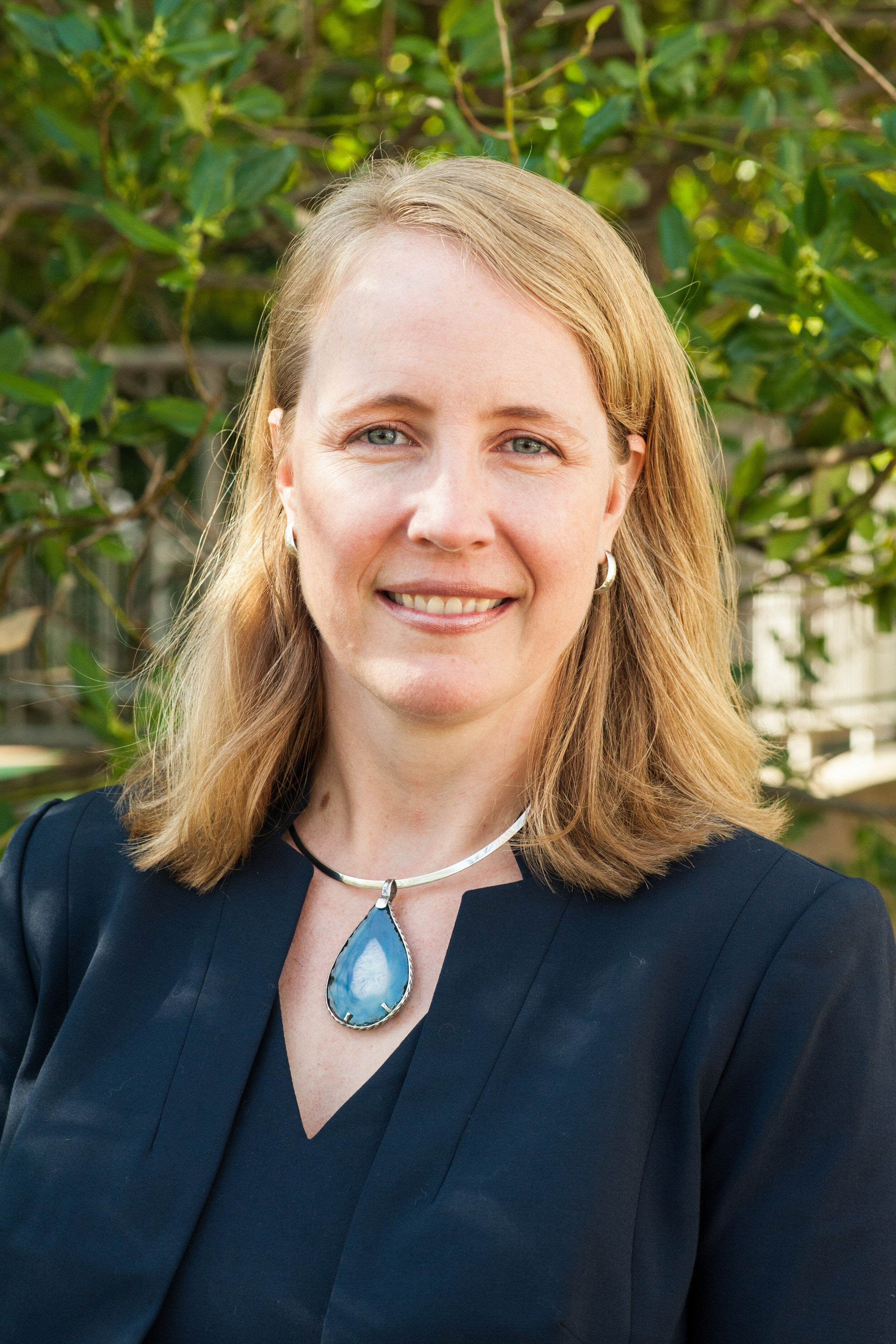
MT: Prior to joining the Executive Board, I had enjoyed participating as a WAN member, benefiting greatly from professional networking events as I pursued my career goals after graduating with my Masters in Marine Affairs from the University of Washington. Taking an interest in WAN activities, I began joining board meetings and volunteered to organize one of the holiday party events, in 2005 or 2006. It was so much fun and such a success that the board invited me to take on a Program Coordinator role. I don’t remember the specific dates but at some point, I became the Secretary and then eventually the Chair/President, around 2007. At the time, WAN needed more hands on deck. The existing leadership had been carrying the baton for a long time and needed a break. When I stepped in, I immediately began identifying other women leaders to join the board. I was looking for specific skillsets and professional affiliations to ensure the Board reflected the diverse community we were serving and would be able to provide the high-quality events for which we were known. I really wanted to honor WAN’s legacy of advancing and empowering women in ocean, coastal and aquatic fields. I also saw a need to strengthen the network in order to bridge a membership gap between young professionals and more senior professionals.
WAN EB: It seems like you inherited a full plate! What were some of your priorities as WAN President?
MT: Yes, it was such a privilege to carry on the WAN mission. We wanted to not only build upon but also enhance the existing programming. A large part of our effort focused on growing our membership, on fundraising, and on streamlining internal operations for the Board. We created new online platforms for event announcements and registrations, refurbished the old website, doubled our budget, updated our financial accounting tools and rebranded the organization to make WAN more accessible and approachable to all (men and women). We also updated our outdated DC nonprofit corporation paperwork and codified roles and responsibilities for Board positions, which made future officer turnover so much easier. It was so much fun working with this incredible group! I’d like to specifically thank Ruth Howell, Winnie Lau, Kassandra Cerveny, Suzanne Garrett, Nadine Bartholomew, and Katrina Lassiter for their dedicated work over this time period.
WAN EB: What a tremendous effort. I can tell you the Executive Board is still benefitting from your leadership and internal organization. You also developed some new activities during your tenure; can you share a few?
MT: In an effort to expand our membership and engage more senior professionals, we had the idea to create an Advisory Board. The purpose was to tap into the knowledge of WAN alumni officers and other ocean leaders to help guide WAN operations and expand our network. I understand the Advisory Board still exists?
WAN EB: Indeed, it does! Our Advisory Board is instrumental in providing the WAN Executive Board with advice and guidance. In addition to these internal upgrades, were there any external-facing changes you implemented?
MT: We increased the frequency of our professional networking events to a quarterly basis and continued raising funds for the EnvironMentors Scholarship. Seeing an influx of ocean professionals in the DC metro area, we wanted to be able to serve this growing community. Thus, we started co-hosting a “Welcome to Washington” Happy Hour for incoming Knauss Sea Grant Fellows, AAAS Fellows, and Presidential Management Fellows (PMFs). It was a great way to engage the next generation of ocean leaders. We wanted to provide opportunities to build deep, meaningful connections with professionals working in marine and aquatic affairs. We were always on the lookout for new partners like The Coastal Society and the IUCN/DC Marine Community (now known as the Global Marine Community).
WAN EB: What events or partnerships were highlights for you?
MT: I remember we held a “Toast to the Oceans” on Earth Day 2008 in partnership with The Ocean Foundation and the Ocean Conservancy. That was fun and became an annual event for a while. We wanted to highlight the connections between water and land. Our board also created the inaugural Speed Mentoring event. Speed dating was a new thing at the time, so we thought it would be fun to try it out for professional networking. It was a hit!
WAN EB: Speed mentoring continues to be one of our most popular signature events, quickly selling out each year. You mentioned your position at NOAA – tell us about your transition from graduate school to your professional career.
MT: In the early 2000’s, only a handful of schools offered graduate programs focused on marine policy or marine affairs. Luckily, over the last couple decades we’ve seen a huge rise in ocean studies across the country. As mentioned, I attended the University of Washington and earned my Masters in Marine Affairs in 2003. While at UW, I co-founded The Coastal Society student chapter (TCSUW), one of the first student chapters in the country. Through my leadership role with TCS and fruitful networking opportunities, I met my future employer from NOAA’s Office of Habitat Conservation. Networking really pays off! It helped launch my post-graduate school career.
WAN EB: WAN was first chartered in 1985, making this our 35th year as an organization promoting women in the roles of marine, coastal, and aquatic affairs. What do you hope to see in the next 35 years for the role of women in the marine, coastal, and aquatic sectors?
MT: Women are the ocean network now – women are leading in fields related to marine, coastal, and freshwater resources at all levels. But we need more intergenerational learning exchanges; to ensure knowledge is passed along in these professional roles. We’re also seeing young people in these fields eager to connect and learn from mentors and peers and senior professionals who enjoy connecting with the passion, enthusiasm, and fresh ideas of young professionals. My hope is that we continue to engage and collaborate with one another across the entire professional spectrum, from NGOs to public service sector to the private sector. Networking is not just about finding your next job; it’s about maximizing your effectiveness and reach within your current job. We should never let ourselves get too busy to support one another toward our goals.
WAN EB: Do you have any advice for women who are just beginning their careers and looking towards the future?
MT: Start setting your goals now! I knew I wanted to work for the United Nations Environment Programme (UNEP) since I was a junior in college. So, I just began setting my goals to achieve that dream, which I did in 2010, exactly 15 years later. Goal setting is so important in order to define critical milestones and to identify what professional skills you need to develop to achieve them. I also believe in the magic of setting your intentions and letting the universe help you manifest them into reality.
WAN EB: What other professional skills were useful to you over your career?
MT: In the science fields, I don’t think we place enough stake on developing communication skills or an appreciation of human psychology and the theory behind behavioral change. Thus, I highly recommend courses or training in communications, environmental conflict resolution, negotiation, and facilitation. In the professional world, change happens when leaders or stakeholders are incentivized or inspired to change course, to make decisions, or change behavior or ideology. Working at the United Nations taught me the art of diplomacy and importance of navigating complex environmental issues across a diverse cultural membership. Oftentimes, you need to remove your own “ego” or personal bias from the equation in order to objectively hear the other side and think outside the box. This enables a more productive dialogue necessary to achieve an outcome agreeable to all. I still have a lot to learn, so I continue taking professional development trainings myself at the USFWS National Conservation Training Center.
WAN EB: It sounds like you’ve had to navigate challenging conversations out there. What other advice can you give to our WAN audience from your personal experience?
MT: Well, I encourage everyone out there to use your voice to speak up, even when (and especially if) it feels uncomfortable. Ask the difficult questions. Get comfortable in the discomfort. The only way that real change can happen is if we challenge the status quo, and often that requires courage, tenacity, and the ability to overcome personal discomfort. And don’t just take “no” for an answer; when you encounter a naysayer, or a roadblock to your mission, find a work-around. Don’t give up trying, you just may “get to yes” eventually.
WAN EB: Is there anything else you would like to share with our audience?
MT: Be your own best brand. It’s easy to get caught up in being all things to all people, but knowing who you are and what you stand for allows you to speak your truth with heart and passion. Be bold, be yourself and be unique. My mother always used to say “you only have one shot to make a first impression.” Know your key messages and stick to them. Hone your “elevator pitch” so you’re ready when that sudden networking opportunity walks through the door. Then, “make it count” as another mentor used to say to me.
WAN EB: Thank you so much for sharing your journey and your experience with our audience, especially as we work to stay connected in our current virtual landscape.
MT: Thank you so much! It was such a pleasure speaking with you and I’m grateful for this opportunity. WAN played a very formative role in my professional life. I developed lasting relationships with my WAN connections. In fact, just last week some members of my former WAN board and I had a virtual happy hour on Zoom and reconnected about our careers. In this current time of grief, anxiety, and uncertainty, we have to find ways to spread positivity and hope. WAN can have that multiplier effect by continuing to connect people to share, learn, and engage with one another.
Note: The views expressed in this interview do not reflect the official policy or position of the U.S Fish and Wildlife Service, the U.S. Department of Interior, or the U.S. Government.